
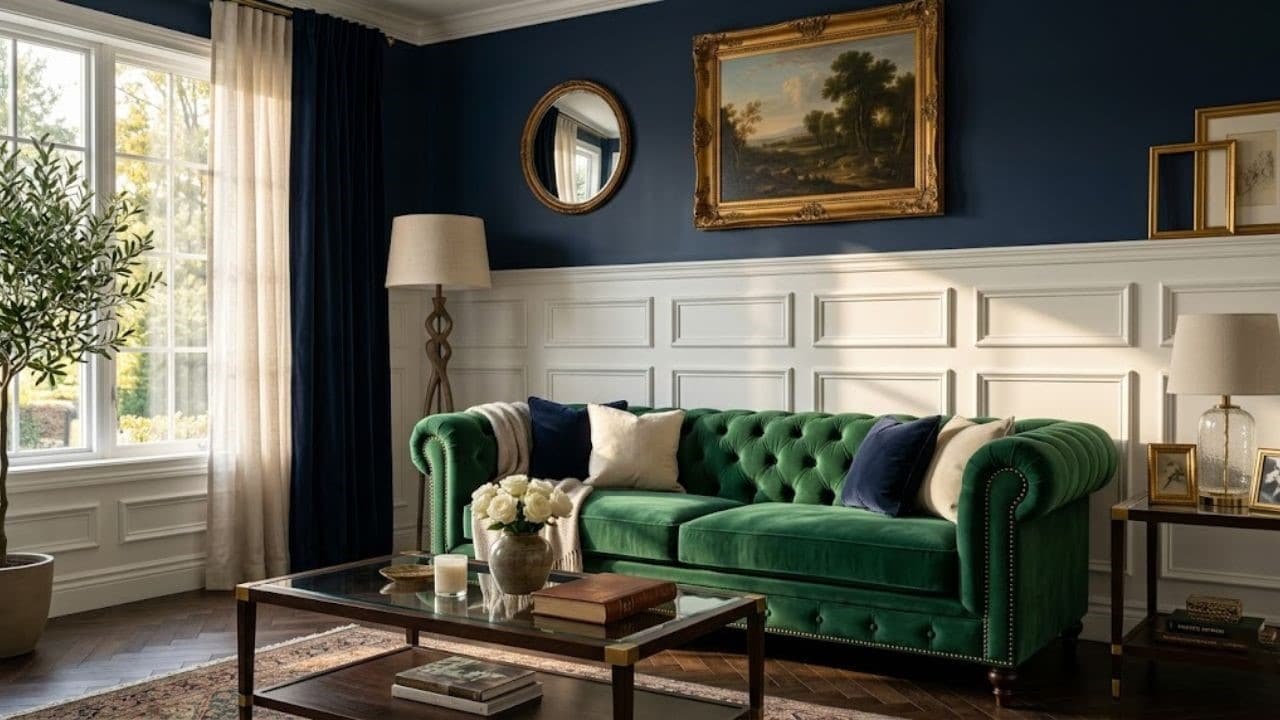
Editor’s Note
Have you ever walked into a luxury hotel or a million-dollar mansion and noticed those beautiful wooden panels on the lower half of the walls? That is called wainscoting. For years, it was considered too expensive for regular homeowners or renters. But in 2026, DIY culture has changed the game! I have personally experimented with dozens of “faux” (fake) methods that look exactly like real wood but cost less than a pizza. In this massive guide, I’ll show you the absolute best DIY faux wainscoting ideas on a budget that will make your home look expensive without breaking the bank.
Introduction: Why Wainscoting is the Ultimate Decor Hack
If your room feels “flat” or boring, the problem is usually the walls. Plain drywall has no character. Wainscoting adds architectural depth, texture, and a sense of history to any space. It’s that “something special” that separates a basic room from a professional interior design project.
The best part about DIY faux wainscoting ideas on a budget is that they are 100% beginner-friendly. You don’t need expensive power saws or a degree in carpentry. With some clever materials like peel-and-stick trim, washi tape, or even just paint, you can elevate your living room, hallway, or bedroom in a single weekend.
The 2026 Trending Styles: Which One Should You Choose?
Before you start sticking things to your wall, you need to pick a style that matches your home’s vibe. Whether you loveJapandi style or a modern farmhouse look, there is a wainscoting style for you.
The Traditional Picture Frame Molding
This is the most popular “faux” style. It involves creating rectangular “frames” on the bottom half of your wall.
- The Budget Secret: Instead of heavy wood, use lightweight PVC or foam molding that comes with adhesive backing.
- The Result: It looks incredibly elegant in dining rooms and entryways.
Modern Vertical Slat Wainscoting
If you want something that feels more 2026, go for vertical slats. This is very popular in minimalist and modern homes.
- The Budget Secret: Use thin pine lath strips or even painted cardboard strips if you are on a super tight budget.
- The Result: It makes your ceilings look much higher than they actually are.

The “Paint-Only” Faux Wainscoting
This is the cheapest possible method. It uses zero physical materials except paint and painter’s tape.
- The Budget Secret: You paint the bottom 36 inches of the wall a darker color (like charcoal or navy) and keep the top half white. Then, use a thin line of tape to create a “shadow” effect.
- The Result: It gives the illusion of depth from a distance.
7 Brilliant DIY Faux Wainscoting Ideas on a Budget
Peel and Stick Foam Trim
This is the #1 renter-friendly and budget-friendly choice. You can buy rolls of flexible foam trim that look like expensive carved wood.
- Why it’s great: You can cut it with kitchen scissors. No saws required.
- Pro Tip: Once you stick it to the wall, paint the trim and the wall the exact same color. This hides the “fake” texture and makes it look like solid wood.

Screen Molding and Liquid Nails
Screen molding is very thin, very cheap wood found at any hardware store.
- The Method: Instead of using a nail gun (which leaves holes), use a strong adhesive like “Liquid Nails.”
- The Result: Since the wood is so thin, the glue holds it perfectly. It’s a permanent look for a fraction of the cost.
PVC Lattice Strips for Modern Vibes
Lattice strips are flat and wide. They are perfect for creating a “Board and Batten” style wainscoting.
- The Method: Space the strips vertically about 12 inches apart. Add a horizontal “chair rail” on top.
- The Result: A clean, farmhouse look that hides wall imperfections perfectly.

Using Washi Tape for a Temporary Fix
Yes, you can use tape! For renters who want the “look” for a party or a photo shoot.
- The Method: Use black or gold Washi tape to “draw” the boxes of picture frame molding.
- The Result: From 5 feet away, it looks like modern architectural detail.

Repurposed Plywood Slats
Ask your local hardware store for “offcuts” or buy a single sheet of thin plywood and have them rip it into 2-inch strips.
- The Method: Sand them down and glue them to the wall.
- The Result: Raw wood texture that looks amazing in Japandi or Scandi-style rooms.
Caulking “Shadow” Boxes
This is a pro-level secret. You use painter’s tape to mark out boxes, then apply a thick line of caulk along the tape edge.
- The Method: When you pull the tape, the caulk leaves a raised edge. Paint over it.
- The Result: A subtle, 3D effect that costs less than $5.
Fabric and Starch Wainscoting
Want a textured, “wallpaper” look wainscoting? Use fabric!
- The Method: Soak fabric in liquid starch and press it to the bottom of the wall.
- The Result: It stays perfectly until you want to remove it; then you just soak it with water and it peels off.
Step-by-Step Guide: How to Install Faux Picture Frame Molding
Step 1: The Golden Ratio Calculation
Standard wainscoting is usually 1/3 the height of your wall. If your wall is 9 feet tall, your wainscoting should be 3 feet (36 inches) high. Use a pencil to mark this “Chair Rail” line across the room.
Step 2: Designing Your Boxes
Measure your wall and decide how many boxes you want. Usually, you want about 4 inches of space between each box.
- Example: If your wall is 100 inches wide, you might do four boxes that are 20 inches wide with 4-inch gaps.

Step 3: Measuring and Cutting
If you are using foam or PVC trim, use a miter box (a cheap plastic tool) to cut 45-degree angles. This makes the corners look professional and “seamless.”
Step 4: The Adhesive Process
Apply a small bead of construction adhesive to the back of the trim. Press it to the wall. Use a piece of painter’s tape to hold it in place while the glue dries (usually 2 hours).

Step 5: Caulking and Painting (The Secret Step)
If you see gaps in the corners, fill them with white caulk. This is what makes a DIY project look “expensive.” Once dry, paint the wall and the trim the same color (Semi-gloss paint looks best for wainscoting).

Tips from an Interior Specialist
As someone who managesdecoryourroom.com, I always tell my readers: Lighting is everything. Even the best DIY wainscoting will look “cheap” if you have harsh overhead lighting. To make your faux wainscoting look real:
Semi-Gloss Finish: Always use a slightly shinier paint for the wainscoting than the top of the wall. It mimics the look of real lacquered wood.
Conclusion
Creating a high-end home doesn’t require a high-end budget. These DIY faux wainscoting ideas on a budget prove that with a little bit of measurement and some clever materials, you can transform a plain room into a designer masterpiece. Whether you choose the peel-and-stick foam for a quick fix or the painted-on illusion for the ultimate budget hack, your walls will thank you. Ready to start? Grab your measuring tape and let’s get decorating!

FAQs
Is faux wainscoting renter-friendly?
Yes! If you use foam trim with “Command” adhesive strips or Washi tape, it is 100% removable. If you use Liquid Nails, it is permanent.
What is the cheapest material for wainscoting?
The cheapest is “Paint-only” wainscoting. The second cheapest is using thin wooden “Screen Molding” or “Lath Strips.”
Do I need to sand my walls before sticking faux trim?
If your walls have a very heavy “popcorn” or “orange peel” texture, a light sanding will help the glue stick better. For normal flat walls, just a quick wipe with a damp cloth is enough.