
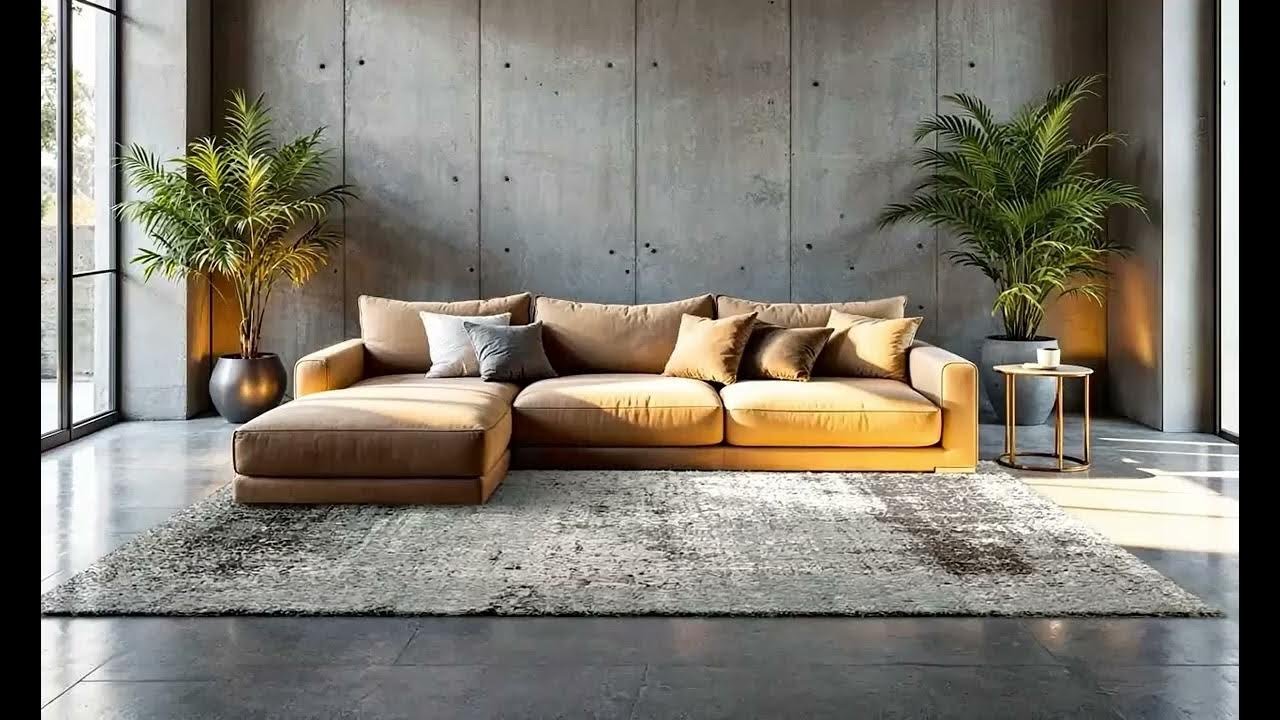
Editor’s Note
At Decor Your Room we believe that a rug is the foundation of any great interior. If the scale is wrong the whole room feels off. This guide breaks down the math and the style of rug selection to help you create a home that feels balanced and professionally curated.
The Fundamental Philosophy of Rug Selection
A rug can either tie a room together or make it feel disjointed. Most people make the mistake of buying a small rug for a large living room only to realize later that it makes the space feel tiny.
Knowing how to choose the right rug size for every room is the secret weapon of designers. The right rug defines zones in an open-plan home and adds warmth to the flooring. It creates a visual boundary for your furniture.
In this guide we will break down the specific rules for the living room, dining room and bedroom. Our goal is to ensure you never waste money on the wrong size again.

The Living Room Layout and The All Legs Rule
In the living room your rug should be large enough to group your seating area effectively. One of the most luxurious ways to handle this is the All Legs On technique.
This means the rug is large enough that every single leg of the sofa chairs and coffee table sits completely on the rug. This creates a room within a room effect which is perfect for large open-plan living areas.
It grounds the space and gives a sense of grandeur. It prevents the furniture from feeling like it is drifting away from the center of the room.
The Front Legs Only Approach for Average Spaces
If you have a medium-sized room and the All Legs On rule feels too overwhelming you can opt for the Front Legs Only approach. This is a very popular and budget-friendly choice that still looks professional.
In this setup the rug sits under the front legs of the sofa and chairs while the back legs remain on the bare floor. This pins the furniture to the rug and creates a visual connection without requiring a massive rug.
It is essential however that the rug extends at least six inches past the sides of the sofa to maintain the correct proportions.

Avoiding the Floating Island Mistake
One of the biggest disasters in interior design is the Floating Island look. This happens when a rug is so small that it only sits under the coffee table and doesn’t touch any of the seating.
This makes the furniture look disconnected and actually shrinks the perceived size of your room. If you currently have a small rug you can fix this by layering it over a larger neutral jute or sisal rug. Make sure your rug matches your table! Check our Dining Table Size Guide to ensure your rug is 30 inches wider than the table.
This adds texture and corrects the scale issues without you having to throw away your favorite patterned rug.

The Dining Room and The Thirty Inch Rule
As we discussed in our previous guides about dining room dimensions, movement is the most critical factor here. For rugs in the dining area the rule is simple . The rug must extend at least thirty inches beyond the edge of the table on all sides.
This ensures that when a guest pulls their chair out to sit down or get up the back legs of the chair stay firmly on the rug surface. If the chair legs get caught on the edge of the rug it becomes a frustrating tripping hazard.
It can also eventually damage the rug fibers over time if the chair is constantly rubbing against the edge.

The Bedroom Sanctuary and The Soft Landing Rule
Your bedroom rug should be the very first thing your feet touch when you wake up in the morning. For the best placement you should lay the rug perpendicular to the bed and slide it about halfway under the bed frame.
This means the rug should stop just before your nightstands so that the front of the bed and the sides are fully covered. For a Queen size bed an 8×10 rug is the standard choice.
A King size bed absolutely requires a 9×12 rug to show enough border on the sides for a balanced look.

The Frame Rule and Negative Space
No matter which room you are decorating you must always leave some negative space to let the room breathe. Interior designers recommend leaving between twelve to eighteen inches of bare floor between the edge of the rug and the walls.
This creates a natural frame around the rug and prevents the room from looking like it has wall-to-wall carpeting. In smaller apartments you can reduce this gap to eight inches but you should never let the rug touch the baseboards.

Color Coordination and Visual Balance
A rug adds a massive block of color and texture to your room which affects the entire mood of the space. Before you commit to a bold pattern or a deep color make sure it complements your wall treatment.

If you are thinking of repainting your room to match a new rug you should plan your budget carefully. You can use our specialized Paint and Wallpaper Calculator to find the exact amount of materials needed for your walls so that your new rug and wall color work in perfect harmony.
The 2026 Trend: Mastering the “Rug Layering” Technique
If you find a rug you love but it’s too small for your space, don’t return it layer it. One of the most sophisticated interior design moves in 2026 is layering a smaller, patterned, or high-texture rug (like a Moroccan shag or a vintage Persian) over a larger, flat-weave neutral base (like Jute or Sisal). This technique adds instant depth and a ‘luxe’ feel to any room.
Additionally, remember the 18-inch Rule: in a standard room, try to leave about 18 inches of bare floor between the edge of the rug and the walls. This creates a balanced frame that makes the room feel intentional and professionally curated.

Conclusion
Choosing the right rug is more about geometry than just color and pattern. By focusing on the 36-inch clearance in dining rooms and the All Legs On rule in living areas you ensure your home looks intentional and expensive.
Always remember that when in doubt going one size larger is almost always better than going smaller. A larger rug expands the room visually while a small rug fragments it. Use these professional rules to anchor your decor and create a space that feels like home.
FAQs
Can I use multiple rugs in one large open room?
Yes you can use multiple rugs to define different functional zones. Just ensure they share a common color palette to maintain harmony.
Should a rug be darker or lighter than the floor?
Contrast is key for a designer look. Use a light rug on dark floors and a darker or more vibrant rug on light-colored floors.
How do I clean a large area rug?
For wool rugs regular vacuuming without a beater bar is best. For high-traffic areas consider synthetic blends that are stain-resistant and easy to spot clean.