
Editor’s Note
At Decor Your Room we know that welcoming a new baby is a joyous journey but it can be stressful when you are working with limited space. In the USA the trend is shifting toward gender-neutral designs that grow with the child. This guide focuses on maximizing every square inch of a small room while creating a serene and beautiful environment for your little one.
The Shift Toward Gender Neutral Sophistication
Gone are the days when nurseries had to be strictly pink or blue. In 2026 parents are opting for gender neutral nursery ideas for small rooms that use earthy tones and natural materials. This approach is not only modern but also practical as it allows the room to transition easily into a toddler space later on.
When you are dealing with a small room the key is to avoid visual clutter. A neutral palette of sage green warm terracotta or soft oatmeal makes the room feel much larger than it actually is. By focusing on a “clean” aesthetic you create a calming sanctuary for both the baby and the parents.
In this guide we will explore how to use vertical space, multifunctional furniture and smart color choices to build the perfect nursery. Whether you are in a tiny New York apartment or a cozy suburban home these tips will help you design like a pro.

Choosing a Versatile Color Palette
The foundation of a small nursery is the wall color. Dark or overly vibrant colors can make a small room feel like a cave. Instead choose “Nature-Inspired” neutrals that reflect light and create an airy feeling.
If you are planning to paint the entire room or just an accent wall you need to be precise with your materials. To avoid any guesswork, leverage our custom built [Paint & Wallpaper Calculator], which accurately computes the volume of paint needed based on your wall’s unique measurements. This prevents overspending on extra paint that will just sit in the garage.
Once the walls are ready you can add pops of color through accessories like cushions or rugs. This way you can change the theme of the room without having to repaint everything as the child grows.

The Transitional Nursery: Furniture That Grows with Your Baby
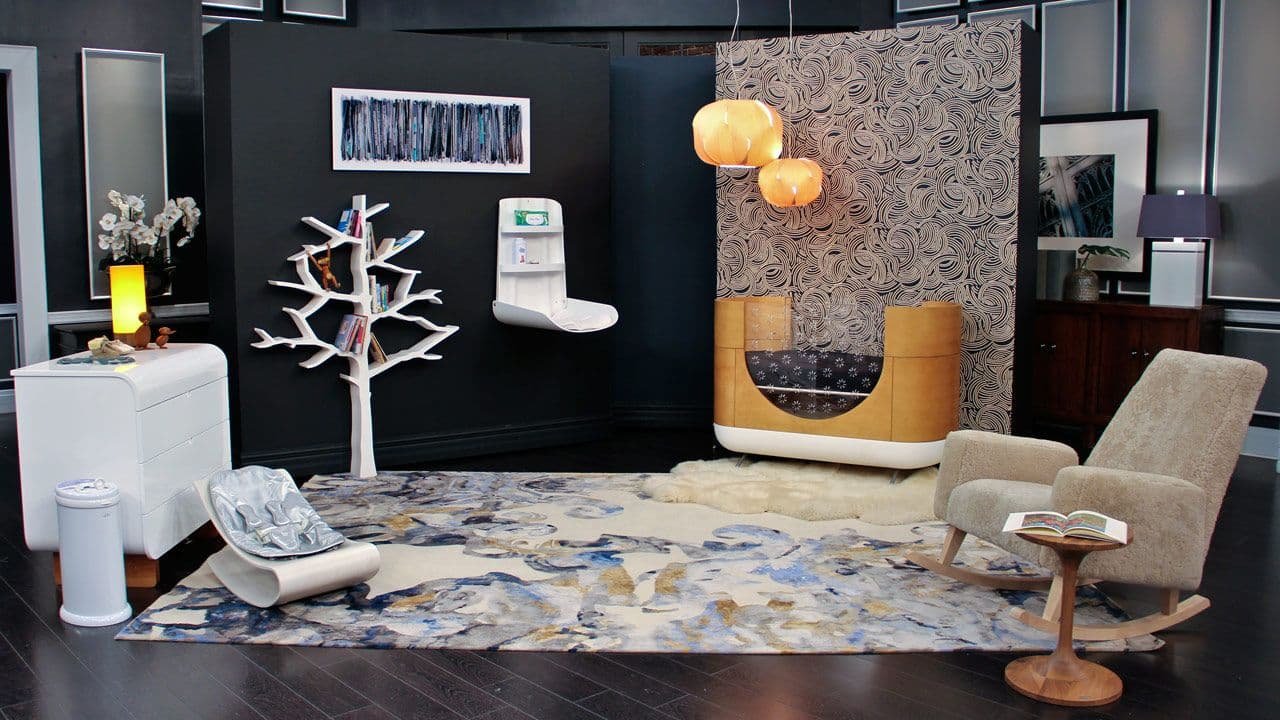
In 2026, gender-neutral nurseries are moving away from ‘baby-only’ themes toward Transitional Design. The secret to a high-end look in a small room is choosing furniture with longevity. Instead of a standard changing table, interior designers are now opting for a classic mid-century modern dresser topped with a removable changing pad. This not only saves space but ensures the piece remains stylish as your child grows into their toddler years.
Pair this with a Sensory Accent Wall using high-contrast, peel-and-stick geometric decals in muted earth tones. These patterns are scientifically proven to aid a newborn’s visual development while maintaining a chic, minimalist aesthetic that doesn’t feel overly ‘nursery-like’.

The Magic of Multi Functional Furniture
In a small nursery every piece of furniture must earn its place. Instead of buying a separate changing table and a dresser you should opt for a “Combo Unit.” Place a changing pad on top of a standard height dresser to save several square feet of floor space.
Another great 2026 trend is the “Mini Crib.” While a standard crib is 52 inches long a mini crib is much more compact and often comes with wheels. This allows you to move the baby easily between rooms if needed while still providing a safe and cozy sleeping environment.
Before you start shopping for furniture it is vital to know your financial limits. You can use our new Decor Room Budget Planner to track every cent you spend on the crib dresser and decor. This ensures you create a dream nursery without any financial stress.

Utilizing Vertical Space for Storage
When you run out of floor space you must look toward the walls. Floating shelves are a lifesaver in small nurseries for holding books, toys and small decor items. By keeping the floor clear you make the room look more organized and spacious.
Wall mounted pegboards are also becoming popular in US nurseries. You can hang baskets for diapers, wipes and pacifiers within arms reach of the changing station. This keeps the essentials organized and off the precious counter space.
Vertical storage also encourages you to display beautiful items as part of the decor. A set of wooden alphabet blocks or a row of colorful storybooks on a thin ledge adds personality to the room without taking up any walking area.

Layering Soft Textures for Comfort
A nursery should feel soft and inviting. Even in a small room you can add depth by layering different textures. Think of a soft wool rug over a hardwood floor or a velvet rocking chair in the corner.
Textures provide sensory stimulation for the baby and a sense of luxury for the parents. However make sure the rug size is correct so the room doesn’t look fragmented. For a small nursery a light-colored rug that sits under the front legs of the crib is usually the best choice.
Adding a blackout linen curtain is another essential layer. This not only helps the baby sleep during the day but also adds a vertical element of fabric that softens the hard lines of the windows.
The Power of Natural Light and Mirrors
As we have discussed in our previous guides about small spaces, mirrors are a designer’s best friend. A large round mirror placed opposite the nursery door or window can double the perceived light in the room.
Natural light is important for a baby’s circadian rhythm. Use light-filtering shades that provide privacy but still allow a soft glow into the space during the day. Avoid heavy or dark drapes that can make a small nursery feel claustrophobic.
If the room lacks a large window you can use “Full Spectrum” LED bulbs in your lamps. These bulbs mimic natural daylight and can help keep the nursery feeling bright even on cloudy days.

Minimalist Decor and Less is More
It is tempting to buy every cute baby item you see but in a small nursery less is truly more. Choose three or four high-quality decor pieces rather than dozens of small trinkets. A single large piece of wall art or a unique mobile hanging from the ceiling creates a more sophisticated look.
Minimalism also makes cleaning much easier. In a small space dust and clutter accumulate quickly. By keeping the surfaces clear you maintain a healthier environment for your baby. Personalize the space with easy DIY Wall Art Ideas that grow with your child.
Focus on “Organic” decor items like wooden toys, wicker baskets and cotton blankets. These materials feel high-end and fit perfectly with the gender neutral theme.

Creating a Cozy Parent Corner
Even in the smallest nursery you need a spot for yourself. A slim-profile glider or a small armchair is essential for late-night feedings. If a full chair doesn’t fit, consider a cozy floor cushion or a high-quality bean bag.
This “Parent Zone” doesn’t need much space, just a small side table for a water bottle and a soft lamp. Creating this little nook ensures that you are comfortable while bonding with your little one.

Conclusion
Designing a nursery in a small room is all about balance and smart choices. By opting for gender neutral nursery ideas for small rooms you create a timeless space that is easy to manage and beautiful to look at.
Remember to prioritize function and use the right tools to stay on track. Whether it is calculating your wall dimensions or tracking your expenses with the [Decor Room Budget Planner] a well-planned project is always a successful one. Your baby’s first room is where the most precious memories will be made so make every inch count.
FAQs
Which paint shades work best for a nursery that isn’t gender-specific?
Warm neutrals like beige sage green and soft terracottas are perfect as they feel organic and grow with the child.
How do I save space in a tiny nursery?
Use a mini crib instead of a full-size one and utilize wall-mounted shelves for storage to keep the floor clear.
Are mirrors safe in a nursery?
Yes as long as they are securely mounted to the wall and kept out of the reach of a standing toddler.