
Editor’s Note
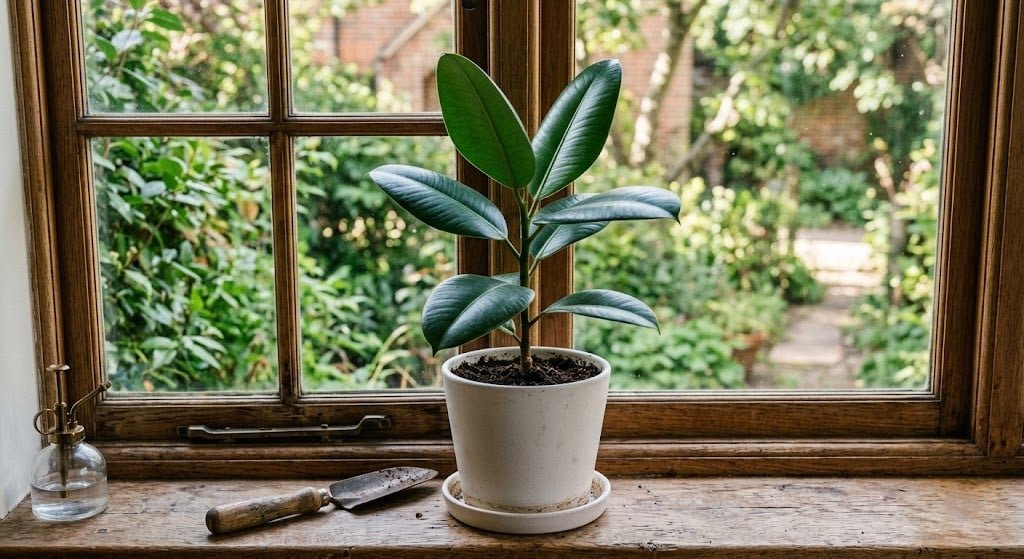
At decoryourroom.com, we firmly believe that no home decor setup is complete without a touch of vibrant, living greenery. However, we also know that busy lifestyles leave very little time for high-maintenance houseplants. Enter the Baby Rubber Plant, scientifically known as Peperomia obtusifolia. This stunning, compact plant is currently dominating 2026 interior design trends because of its thick, spoon-shaped leaves and incredibly forgiving nature. Whether you want to brighten up a dark home office or add a pop of green to your living room floating shelves, this plant is the perfect candidate. In this comprehensive guide, we will walk you through exactly how to care for, propagate, and style your Peperomia, ensuring it thrives beautifully without any frustrating yellowing leaves.
Introduction: Why the Baby Rubber Plant is a Decor Essential
Do not let the name fool you; the Baby Rubber Plant is not actually related to the large, tree-like Rubber Plant (Ficus elastica). It belongs to the Peperomia family, originating from the lush, tropical rainforests of Florida, Mexico, and the Caribbean.
This plant is highly sought after because of its succulent-like qualities. Its thick, fleshy leaves store water, making it highly drought-tolerant. If you are someone who frequently forgets to water their plants, this is your perfect match.
Furthermore, unlike many trendy houseplants, the Baby Rubber Plant stays relatively compact, usually maxing out at 10 to 12 inches in height. This makes it the ultimate space-saving botanical piece for apartment dwellers. Let’s dive into the exact steps required to keep this beautiful plant thriving.

Nailing the Lighting Requirements (Avoid Leggy Growth)
The most common mistake new plant parents make is assuming that all indoor plants want direct, blazing sunlight. For the Peperomia obtusifolia, direct sun is actually highly damaging.
The Sweet Spot: Bright, Indirect Light
In its natural rainforest habitat, this plant grows under the dense canopy of massive trees, receiving filtered, dappled sunlight. You must replicate this environment in your home. Place your baby rubber plant near an east-facing or north-facing window where it will receive bright, but indirect, light throughout the day.
What Happens in Low Light?
While they can tolerate medium or low light conditions, placing them in a pitch-black hallway is a bad idea. Without adequate light, your plant will become “leggy.” This means the stems will stretch out in a desperate search for sunlight, causing the beautiful, compact leaves to become sparse and weak. If your space lacks natural light, you can easily use LED grow lights, just like we discussed in our recent guide on [building a small garden under stairs].
The Golden Rule of Watering a Baby Rubber Plant
Overwatering is the number one killer of indoor houseplants, and the Peperomia is particularly sensitive to it. Because it stores moisture in its thick leaves, it does not need a constantly wet environment.
The “Soak and Dry” Method
You must allow the top two inches of the soil to dry out completely before you water it again. Depending on the temperature of your home, this usually means watering it once every 10 to 14 days. When you water it, practice the “soak and dry” method. Take the plant to the sink, pour water over the soil until it freely drains out of the bottom holes, and then let it sit until all excess water has dripped away.
Signs of Improper Watering
If the leaves are turning soft, mushy, and yellow, you are overwatering. If the leaves are curling inward, feeling paper-thin, and looking wrinkled, the plant is desperately thirsty. Always check the soil with your finger before reaching for the watering can.
Choosing the Perfect Soil and Planter
A healthy plant starts at the roots. Using heavy, dense potting soil straight out of a cheap garden bag will suffocate your Peperomia.
The Ideal Chunky Soil Mix
Your baby rubber plant needs an airy, well-draining soil mix. You can create the perfect blend by mixing 50% high-quality indoor potting soil with 30% perlite and 20% orchid bark. This chunky mixture mimics the natural debris of the rainforest floor, allowing oxygen to reach the roots and preventing deadly root rot.
Drainage is Non-Negotiable
Never plant your Peperomia in a decorative pot that lacks drainage holes. Always keep the plant in a cheap plastic nursery pot with holes at the bottom, and then drop that nursery pot into your beautiful decorative ceramic or terracotta planter. This makes watering much easier and keeps your plant safe from standing water.
Step-by-Step Propagation: Multiply Your Plants for Free
One of the most exciting aspects of owning a Peperomia obtusifolia is how incredibly easy it is to propagate. You can turn one plant into a dozen with zero professional gardening skills.
Water Propagation via Stem Cuttings
- Locate a healthy stem on your plant that has at least three or four leaves on it.
- Using sterilized scissors, cut the stem just below a “node” (the small bump where a leaf attaches to the stem).
- Remove the bottom-most leaf so you have a bare piece of stem.
- Place the bare stem into a small glass of room-temperature water. Ensure the remaining leaves stay completely dry above the water line.
- Place the glass in bright, indirect light and change the water once a week.
- Within three to four weeks, you will see a network of tiny white roots sprouting. Once the roots are two inches long, you can plant the cutting in fresh soil!
Pet Safety and Styling in Your Home
When selecting indoor greenery, safety is paramount for pet owners.

100% Pet-Friendly
The absolute best feature of the Baby Rubber Plant is its toxicity level. The ASPCA officially lists Peperomia obtusifolia as entirely non-toxic to both cats and dogs. You can confidently place this plant on low coffee tables or floor stands without worrying about your furry friends taking a nibble.
Styling Tips for Small Spaces
Because of its compact nature, the baby rubber plant is a styling dream. Pair a variegated version (which has beautiful creamy-white and green patterned leaves) with a dark, moody planter to create visual contrast. They look phenomenal resting on floating shelves, stacked on vintage books, or integrated into a [maximalist apartment bedroom decor] setup where texture and vibrant colors are key.
Expert Advice on Troubleshooting Growth
As a certified indoor horticulturist, the most frequent issue I diagnose with Baby Rubber Plants is a sudden drop in growth during the winter months. Homeowners often panic and start dumping fertilizer into the soil. Please do not do this. Peperomias go into a state of natural dormancy during the colder, darker months. They stop growing to conserve energy. Feeding a dormant plant with chemical fertilizer will burn its roots and kill it. Only apply a diluted, balanced liquid fertilizer once a month during the active growing season (spring and summer). Patience, proper light, and strict watering habits are the true secrets to a museum-quality specimen.
Conclusion
The Baby Rubber Plant is an absolute must-have for anyone looking to elevate their interior styling with minimal effort. Its gorgeous, fleshy leaves and compact size make it a versatile decor element for any room in the house. By providing it with bright, indirect light, using a chunky and well-draining soil mix, and strictly following the “soak and dry” watering method, your Peperomia will thrive for years. Not only does it purify your air, but its completely pet-safe nature brings peace of mind to any household. Pick one up for your next home refresh, and enjoy the beauty of stress-free indoor gardening!
FAQs
Why are the leaves on my baby rubber plant turning yellow and falling off?
Yellow, mushy leaves that easily drop from the stem are the classic signs of overwatering. Ensure your pot has drainage holes, and completely stop watering until the soil is 100% dry. If the roots are black and slimy, you may need to repot the plant to save it from root rot.
Does a baby rubber plant clean the air?
Yes! Like many indoor houseplants, the Peperomia obtusifolia helps purify indoor air. While it is not the most aggressive air purifier compared to a Snake Plant, it actively absorbs carbon dioxide and releases fresh oxygen, contributing to a healthier home environment.
Can I put my baby rubber plant outside?
You can move your plant outside during the warm summer months, provided you keep it entirely in the shade. Direct outdoor sunlight will scorch and burn the leaves within a single afternoon. Always bring the plant back indoors before the temperature drops below 55°F (12°C).
How fast does a baby rubber plant grow?
The Peperomia is considered a slow-to-moderate grower. During its active growing season (spring and summer), you can expect to see new leaves unfurling every few weeks. However, its overall height will rarely exceed 12 inches, making it perfect for small shelves and desks.