
Editor’s Note
At Decor Your Room, we believe that minimalism is not about living in an empty white box; it’s about making room for what truly matters. It is a design philosophy that prioritizes quality over quantity. In this guide, we will show you how to strip away the unnecessary and create a serene, functional, and deeply stylish home.
The Philosophy of “Less is More”
In a world full of noise and constant consumerism, minimalism has become more than just a decor style, it’s a lifestyle. Mastering minimalism in home decor means intentional living. Every vase, every chair, and every rug should serve a purpose or bring genuine joy.
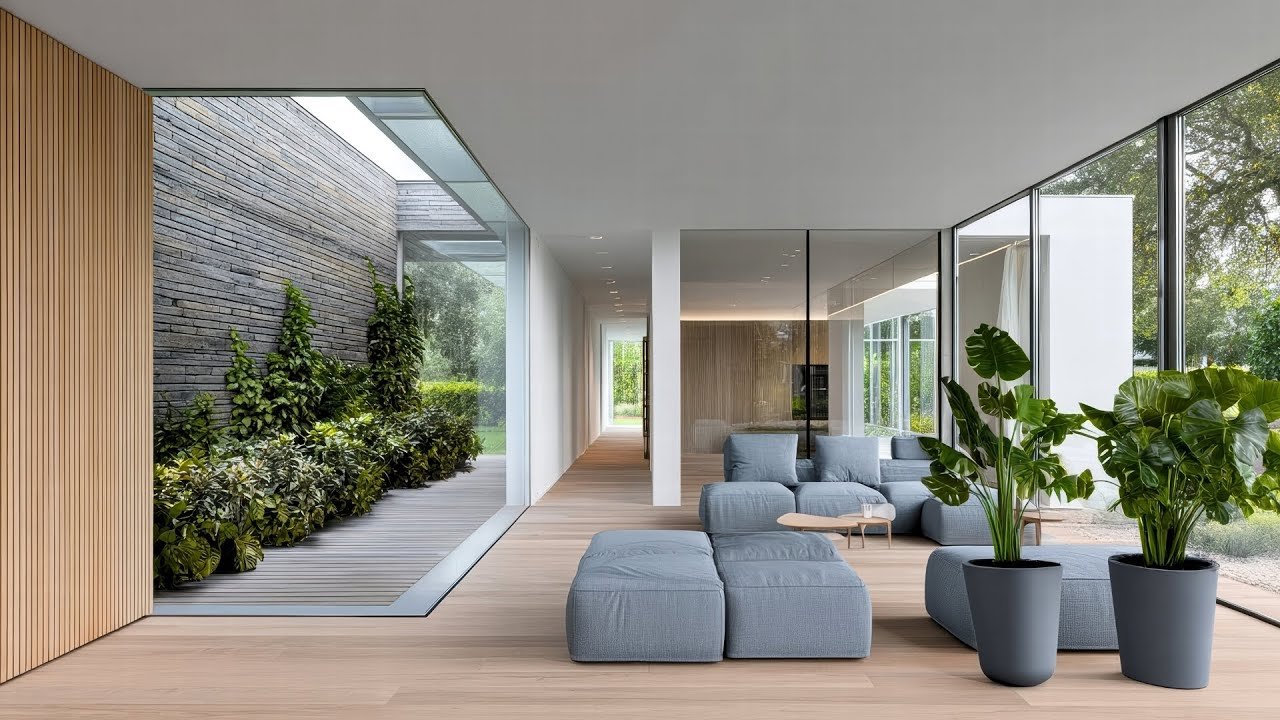
The biggest misconception is that minimalist homes feel cold or “soulless.” On the contrary, a well-executed minimalist room feels warm, airy, and incredibly sophisticated. It allows the architecture of your home and the beauty of your carefully selected pieces to shine. Let’s explore how you can achieve this high-end look without the clutter.
Choose a Neutral Base Palette
Minimalism starts with color. Stick to a “tonal” palette of different shades of white, cream, beige, and soft gray. This creates a cohesive “background” that makes the room feel expansive. Choosing the right colors is the foundation of this style; for a deeper dive, read our guide on how to create a color palette for your home. You can add depth by using different shades of the same color rather than introducing many different hues.

Invest in Quality over Quantity
Since you will have fewer items in the room, each item must be of high quality. Instead of buying five cheap side tables, invest in one beautifully crafted oak or marble coffee table. Quality pieces have better proportions and textures, which are the real stars of a minimalist room.
The “One In, One Out” Rule
To maintain a clutter-free home, you must be disciplined. For every new decorative item you bring into your living room, one old item must leave. This prevents the slow “creep” of clutter that eventually ruins a minimalist aesthetic.
Texture is Your Secret Weapon
When color is limited, texture must provide visual interest. A white room with a white wool rug, a linen sofa, and a smooth stone floor feels rich and layered. Without these varied textures, a minimalist room can feel flat and boring.

Functional Furniture with Hidden Storage
Every piece of furniture should work hard for you. Choose sofas with built-in storage or beds with drawers. If you can hide the “mess” of daily life (remotes, chargers, magazines) inside sleek furniture, your surfaces will remain clear and calm.

Use Natural Light as Decor
Minimalism thrives on light. Avoid heavy, dark curtains. Use sheer linens or simple wooden blinds that let the natural sunlight flood the room. Light creates shadows and highlights that act as “natural art” on your bare walls.

The Rule of Space (Negative Space)
In traditional decorating, people try to fill every corner. In minimalism, “negative space” (empty space) is a design element itself. Leaving a wall bare or a corner empty allows the eye to rest and makes the room feel peaceful.

Curate Your Surfaces
Clear off your kitchen counters and coffee tables. Only leave out 2 or 3 items that are truly beautiful, perhaps a single ceramic bowl or a high-quality candle. Surfaces should feel intentional, not like a “landing strip” for mail and keys.

Statement Art, Not Gallery Walls
Instead of a cluttered gallery wall with 15 small pictures, choose one large, impactful piece of art. This creates a powerful focal point and keeps the room feeling organized and grand.

Bring in the Outdoors (Selectively)
A single, large potted plant like a Fiddle Leaf Fig or an Olive Tree adds life and color without adding clutter. Plants provide an organic shape that balances the clean, straight lines of minimalist furniture.

The 2026 Shift: Embracing “Warm Minimalism”
True minimalism isn’t about living in a cold, empty white box. The latest design evolution, known as ‘Warm Minimalism,’ focuses on replacing clutter with texture. Instead of filling a shelf with knick-knacks, fill the room with rich materials like boucle, unpolished wood, and limestone.
This approach keeps the space clutter-free but adds visual interest through shadows and tactile surfaces. It’s the secret to making a home feel expensive and curated rather than just ’empty’ or unfinished.

FAQs
Does minimalism mean I have to have white walls?
Not necessarily. While white is popular, you can use soft earthy tones or even dark “moody” colors as long as the space remains uncluttered and intentional.
How do I make a minimalist room feel cozy?
Use warm textures like chunky knit blankets, wooden accents, and soft warm lighting (around 2700K).
Is minimalism expensive?
It can be, because you are buying higher quality pieces, but in the long run, it saves money because you buy less often and avoid “impulse” decor.
Conclusion
Mastering minimalism in home decor is a journey of refinement. It’s about stripping away the distractions of the physical world to create a sanctuary where you can truly breathe. Start small, declutter one surface at a time, and remember: your home should be a collection of things you love, not just a collection of things.