
Editor Note
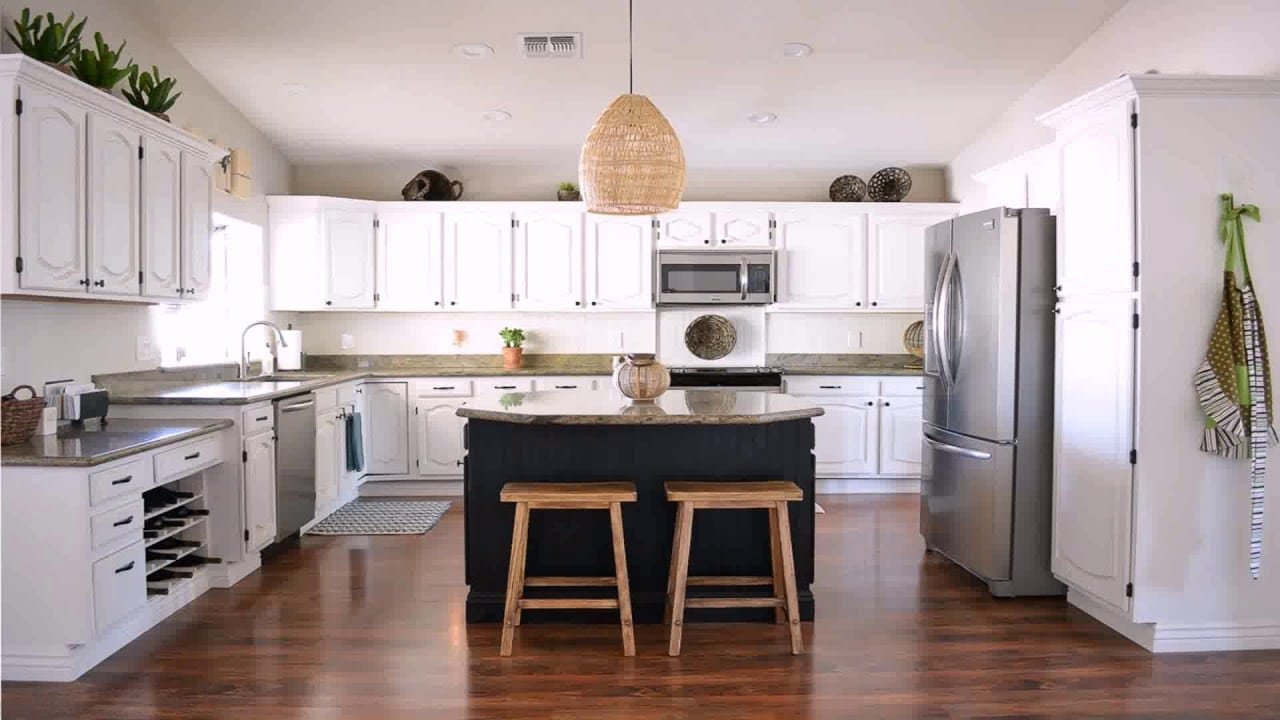
At Decor Your Room we know that the kitchen is the heart of the home but it is also the most expensive room to renovate. Replacing cabinets can cost thousands but a fresh coat of paint can achieve the same look for under a hundred dollars. This guide reveals the secret to painting your cabinets without the mess and hard labor of sanding making it the perfect weekend project for any DIY beginner.
The Myth of Necessary Sanding
For decades the standard advice for any wood project was to sand everything down to the bare grain. While sanding does help paint stick it is also time-consuming and creates a massive amount of dust in your cooking area.
In 2026 we have access to advanced bonding primers and specialized cabinet paints that make sanding optional. By using the right chemical cleaners and high-adhesion products you can achieve a factory-smooth finish without ever picking up a piece of sandpaper.
This approach is perfect for renters or homeowners who want a high-impact change without a month-long construction zone. Let’s break down the exact steps to get that professional look on a tiny budget.

Why Hybrid Ceramic Paints are Changing the Game
If you want to skip the mess of sanding but still demand a rock-hard finish, the secret lies in Ceramic-Infused Hybrid Paints. Unlike traditional latex or oil-based paints, these modern formulas contain microscopic ceramic beads that create a self-leveling surface as they dry. This means brush marks disappear automatically, and the paint ‘grips’ onto old varnish without needing a rough surface.
In 2026, this is the go-to hack for professional interior designers who need to flip a kitchen in a weekend. It gives you that high-end, smooth-to-the-touch factory finish that was previously impossible without heavy-duty sanding and sprayers.

Choosing the Right Deglosser and Primer
The secret to skipping the sandpaper is a liquid deglosser which is often called “liquid sandpaper.” This chemical solution removes the glossy finish from your old cabinets and creates a slightly tacky surface that paint loves to grab onto.
After deglosser you must use a high-adhesion bonding primer. This is not your average wall primer as it is designed specifically to stick to slick surfaces like laminate or stained wood.
Investing in a high-quality primer is where you should spend your money as it prevents the paint from peeling or chipping later. Once your primer is set you have a perfect canvas for your chosen color.

Selecting a Professional Cabinet Paint
Not all paints are created equal when it comes to kitchen cabinets. You need a paint that can handle grease and frequent cleaning without fading or wearing away.
Look for water-based alkyd enamels which provide the durability of oil-based paint but are easy to clean up with soap and water. These paints are “self-leveling” which means the brush marks disappear as the paint dries.

If you are looking for a modern aesthetic consider deep greens or classic navy blues. If you need to figure out exactly how much paint you need for your entire kitchen including the walls you can use our Paint & Wallpaper Calculator to avoid wasting money on extra cans.
Step 1: Deep Cleaning the Grease Away
The number one reason cabinet paint fails is not a lack of sanding but the presence of hidden grease. Kitchens are full of cooking oils that settle on the doors over time.
You must use a heavy-duty degreaser like TSP (Trisodium Phosphate) to scrub every inch of the cabinet frames and doors. Pay extra attention to the areas around the handles and the stove where grease buildup is the thickest.
Rinse the cabinets with a damp cloth and let them dry completely before moving to the next step. A clean surface is the most important part of this entire process.

Step 2: Labeling and Hardware Removal
Do not try to paint your cabinets with the doors still attached or the hinges on. Use a screwdriver to remove all doors and drawers and take off all the knobs and pulls.
Pro tip which is to label every door with a piece of painter’s tape inside the hinge hole. For example, write “Upper Left 1” so you know exactly where it goes when the project is finished.
Store all your screws and hinges in small plastic bags. This small step saves hours of frustration during the reassembly phase and ensures your doors hang perfectly straight.

Step 3: Applying the Liquid Deglosser
Soak a clean lint-free cloth in your liquid deglosser and rub it over the surface of the doors and frames. You will notice the shine starting to fade into a dull matte finish.
This process takes about fifteen minutes for a standard-sized kitchen and is much easier on your arms than hours of sanding. Make sure to wear gloves and keep the windows open for ventilation.
The deglosser works by chemically etching the surface which creates microscopic “teeth” for the primer to latch onto. Once the deglosser has dried you are ready to prime.
Step 4: The Priming Process
Apply one thin even coat of your bonding primer using a high-quality microfiber roller for the flat panels and a small brush for the corners. Avoid putting on too much at once as thin coats prevent drips.
Let the primer dry for at least four hours or as recommended on the can. If you see any rough spots after the primer is dry you can lightly buff them with a very fine sanding sponge but this is not the heavy sanding of the old days.
The primer acts as the bridge between your old cabinets and your new life. It hides the old wood grain and provides a consistent base for your color.

Step 5: Painting for a Factory Finish
Now for the fun part which is applying the color. Use a new microfiber roller to apply the first coat of paint. Roll in one direction and avoid going over the same spot too many times.
Two thin coats are always better than one thick coat. Allow at least six to eight hours of drying time between the first and second coat to ensure the paint cures properly.
For a professional look you should paint the back of the doors first then the front. This way if there is a small smudge it will be on the side that no one sees.

Conclusion
Painting your kitchen cabinets without sanding is a game-changer for budget home decor. It proves that with the right materials and a little bit of patience you can achieve a high-end look without the high-end price tag.
Once your cabinets are dry and reinstalled you will be amazed at how much larger and brighter your kitchen feels. This simple DIY project not only adds value to your home but also gives you a space you truly enjoy cooking in. If you love this transformation, check out our other Upcycling Furniture Ideas for the rest of your home.
FAQs
Will the paint really stay on without sanding?
Yes as long as you use a high-quality degreaser and a dedicated bonding primer the paint will adhere just as well as it would to sanded wood.
How long does it take for cabinet paint to fully cure?
While the paint will feel dry to the touch in a few hours it takes about seven to fourteen days to fully “cure” and become scrubbable. Be gentle with your cabinets during the first week.
What is the best finish for kitchen cabinets?
Satin or semi-gloss finishes are best for kitchens because they are easy to wipe down and reflect just enough light to make the room feel bright.