
Editor’s Note
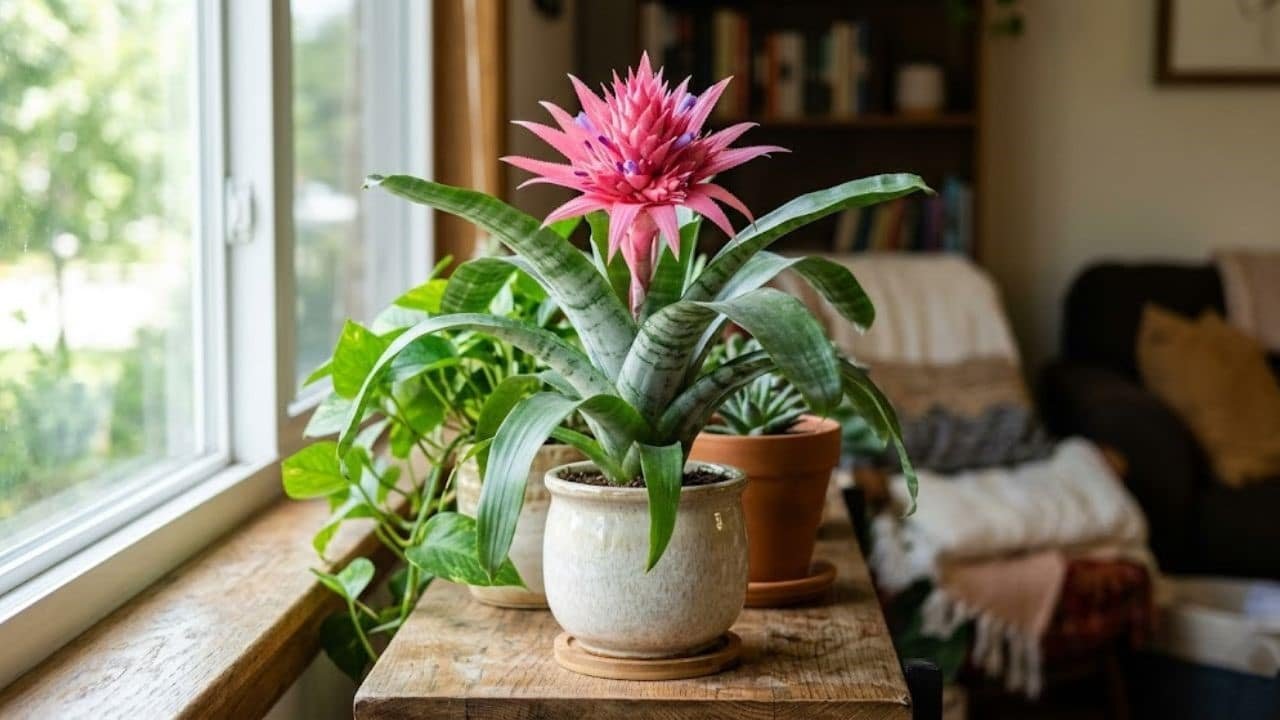
Adding a pop of exotic color to your home is easier than you think, but so many people shy away from tropical plants because they seem intimidating. At decoryourroom.com, we constantly see readers struggling with bromeliads. They buy this stunning, spiky plant with a massive neon flower, bring it home, and treat it like a normal houseplant which is a huge mistake. Bromeliads are unique survivors from the rainforests. They do not drink water like normal plants, and they have a fascinating, one-time blooming cycle. In this ultimate bromeliad care guide, we will break down exactly how to keep these vibrant beauties thriving in your indoor space.
Introduction: What Makes a Bromeliad Different?
Before you can master bromeliad care, you need to understand how this plant lives in the wild. Most common bromeliads are “epiphytes.” This means that in their natural rainforest habitat, they do not grow in the dirt on the ground.
Instead, they grow clinging to the branches and trunks of massive trees. Their roots are primarily used to anchor themselves to the bark, not to absorb water and nutrients. Because they do not have a massive root system in the soil, they have evolved a completely different way to drink and feed.
Understanding this “tree-hugging” nature is the secret key to keeping your indoor bromeliad alive and healthy. Let’s explore the exact steps to care for this tropical masterpiece.
The Secret to Watering: The Central Cup Method
If you take away only one piece of advice from this bromeliad care guide, let it be this: Do not soak the soil.
Watering the Tank
Because their roots are shallow, bromeliads absorb water through their leaves. If you look closely at the center of the plant where the leaves meet, you will see a natural hollow space. This is called the “cup” or the “tank.” You must pour water directly into this central cup. Keep this tank about one-quarter to one-half full of water at all times.

Flushing the Cup
You cannot just leave the same water sitting in the cup forever. Stagnant water will grow bacteria and cause the plant to rot. Every 10 to 14 days, you need to empty the old water out. Simply take the pot to your sink, turn it upside down to dump the old water, and refill the cup with fresh, room-temperature filtered water.

Light and Temperature Requirements
Bromeliads come from tropical environments, which means they love warmth and humidity, but they hate direct, scorching sun.
Bright, Indirect Light is Best
In the rainforest, these plants live under the canopy of larger trees. They get plenty of bright light, but it is filtered through the leaves above them. To replicate this indoors, place your bromeliad near an east-facing or west-facing window. If the sunlight is hitting the leaves directly and feels hot to the touch, it will burn the plant and cause brown, crispy spots.

Ideal Temperatures
Bromeliads are very comfortable in standard home temperatures. They thrive anywhere between 60°F and 80°F (15°C to 27°C). Just ensure you keep them away from cold drafts, air conditioning vents, or blasting heating radiators.
The Right Soil: Think Like a Tree
Because bromeliads are epiphytes, potting them in dense, heavy indoor potting soil will suffocate their roots and cause immediate root rot.
The Epiphyte Mix
You need an extremely airy, fast-draining potting mix. The best soil for bromeliad care is a mix made specifically for orchids. An ideal blend consists of coarse orchid bark, perlite, and a very small amount of peat moss. This allows maximum airflow to the roots, perfectly mimicking the side of a tree trunk.
Do You Need Fertilizer?
Bromeliads are slow growers and do not need heavy feeding. During the active growing season (spring and summer), you can use a liquid orchid fertilizer. However, you must dilute it to 1/4 strength. Spray this weak fertilizer directly onto the leaves and into the central cup, not into the soil.

The Blooming Cycle: Why is My Flower Dying?
This is the most common panic-inducing moment for bromeliad owners. You have had the plant for a few months, and suddenly, the beautiful, bright central flower starts turning brown and dying.
The One-Time Bloom
Do not panic; you are not killing the plant! Bromeliads only bloom once in their entire lifetime. The bright, colorful part in the center (called the bract) will slowly dry up and die over a period of several months. This is a 100% natural part of the plant’s life cycle.
Trimming the Dead Bloom
Once the flower looks completely brown and unsightly, you can take a pair of sharp, sterile scissors and cut the flower stalk off as close to the base as possible. This stops the plant from wasting energy on a dead flower.

The Magic of Propagation: Harvesting Pups
While the mother plant will slowly begin to die after it finishes blooming, it leaves behind a wonderful gift.
What are Bromeliad Pups?
Before the mother plant fully fades away, it will produce tiny baby plants around its base. These are called “pups.” This is how the plant reproduces. You will notice small, spiky green offshoots pushing up through the soil next to the main stem.

How to Repot the Pups
Do not remove the pups immediately. Wait until the baby plant is about one-third the size of the mother plant and has formed its own small root system. Gently remove the entire plant from the pot, use a sterilized knife to cut the pup away from the mother, and plant the pup in its own small pot with fresh orchid bark. Within a year or two, this new pup will grow into a full-sized plant and produce its own beautiful bloom!
Creating a Tropical Biophilic Oasis
Bromeliads are the ultimate statement piece for any room. Their striking architectural shape and neon colors make them perfect for modern homes.
Styling Your Bromeliad
To truly incorporate biophilic design into your space, group your bromeliad with other tropical plants that enjoy similar humidity levels, such as ferns or peace lilies. Place them in decorative woven baskets or sleek matte black ceramic pots to create a high-end designer look. Because their roots are so small, bromeliads can stay in relatively small pots, making them perfect for coffee tables and office desks.

Expert Botanical Advice
As an interior plant stylist and content publisher, I always remind my readers that bromeliad care is an exercise in patience. When the main flower dies, many people throw the entire plant in the trash. Please do not do this! The mother plant might look a bit tired, but she is using all her remaining energy to grow those new pups. Keep watering the central cup, give it bright indirect light, and let nature take its course. It is a beautiful, sustainable cycle that rewards you with free plants for years to come.
Conclusion
Mastering bromeliad care is incredibly rewarding. By understanding that these plants are epiphytes that drink from their central cup rather than their roots, you eliminate the biggest hurdle of tropical plant care. Give them bright, filtered light, airy orchid bark soil, and fresh water in their tank every week. When the beautiful bloom finally fades, celebrate the arrival of the new pups. With these simple expert steps, your indoor space will feel like a vibrant, lush tropical sanctuary all year round.
FAQs
How often should I water my bromeliad?
You should keep the central “cup” of the plant filled with water at all times. Flush it out and replace it with fresh water every 10 to 14 days to prevent bacterial growth. Keep the actual soil only very slightly damp.
Should I cut the brown flower off my bromeliad?
Yes. Once the vibrant central flower (bract) turns brown and dies, it will not come back. Cut it off near the base using sterile scissors so the plant can direct its energy into growing new “pups” (baby plants).
Can bromeliads survive in low light?
While they can survive for a short time in low light, they will not thrive. They need bright, indirect sunlight to maintain their vibrant colors and to successfully produce healthy pups.