
Editor’s Note
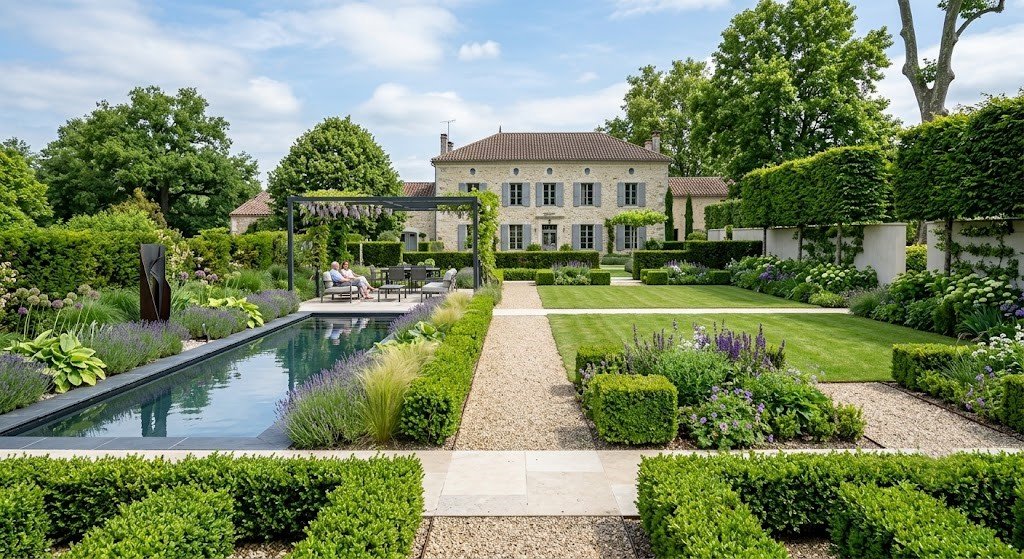
At decoryourroom.com, we believe that the beauty of your home should extend far beyond its interior walls. While we often focus on cultivating lush indoor spaces with our favorite houseplants, the outdoor landscape is your home’s ultimate first impression. A French garden known formally as jardin à la française is the absolute pinnacle of landscape architecture. It is characterized by impeccable symmetry, elegant stone features, and structured greenery. Unlike the wild, untamed look of an English cottage garden, the French aesthetic is all about imposing order and elegance onto nature. In this comprehensive masterclass, we will guide you through the exact steps required to transform your ordinary backyard or modest courtyard into a spectacular, high-end French retreat.
Introduction: The Timeless Appeal of the French Garden
Stepping into a well-designed French garden feels like being transported to a royal chateau in the 17th century. This landscaping style is globally revered for its profound sense of calm, order, and structured beauty.
At its core, this aesthetic relies on the principle of forced perspective and geometric harmony. Every single plant, pathway, and stone is placed with absolute intention. The brain naturally craves symmetry, which is why these spaces feel incredibly relaxing and visually satisfying to walk through.
You do not need a massive estate to achieve this look. The principles of French landscaping can be scaled down to fit a modern suburban backyard or even an enclosed urban courtyard. Let us explore the trending foundational elements you need to build your own Provencal paradise.
The Power of Symmetry and Geometric Layouts
The absolute golden rule of French garden design is strict symmetry. If you draw an imaginary line down the center of your yard, the left side should perfectly mirror the right side.
Designing the Central Axis
Start by defining a central focal point. This could be a straight pathway leading from your back door to a beautiful stone bench or a water feature at the far end of the yard. This main artery is called the central axis. Everything else in the garden will be built radiating outward from this primary line.
The “Parterre” Technique
A “parterre” is a level space in a garden occupied by ornamental flower beds enclosed by tightly clipped hedges. This creates a geometric, puzzle-like pattern when viewed from a window above. You can easily replicate this by outlining square or rectangular planting beds with low-growing evergreen shrubs.

Crisp Evergreen Topiaries and Boxwoods
You cannot have a French garden without highly manicured, structured greenery. These plants act as the permanent “bones” or architecture of your outdoor space.
Choosing the Right Boxwoods
Boxwood shrubs (Buxus) are the undisputed kings of French landscaping. They grow densely and can be heavily sheared into crisp spheres, perfect cubes, or low rectangular borders. Plant them tightly along the edges of your pathways to create clean, sharp lines that look vibrant all year round.
Incorporating Potted Citrus and Olive Trees
To soften the rigid lines of the boxwoods, introduce classic Mediterranean trees. Large, weathered terracotta pots filled with lemon trees, olive trees, or meticulously shaped bay laurels add a touch of rustic Southern France. During the winter, you can bring these pots indoors to complement your existing indoor plant styling.

Pea Gravel Pathways Instead of Lawns
Traditional French estates rarely feature sprawling, open grass lawns. Instead, they rely on textured stone and gravel to define walking areas.
The Elegance of “Crunchy” Pathways
Replacing grass with warm, tan-colored pea gravel or crushed granite is a massive landscaping trend for 2026. Not only does it instantly elevate the aesthetic, but the satisfying crunch of walking on gravel is a quintessential auditory experience of the French countryside.
Low Maintenance Luxury
Gravel is incredibly practical. It drains rainwater instantly, requires zero mowing, and serves as an excellent weed barrier when installed correctly over landscape fabric. Frame your gravel pathways with cobblestone edging to keep the stones neatly contained.

The Restrained Color Palette: Greens, Whites, and Purples
Unlike a tropical garden bursting with chaotic, neon colors, a French garden relies on a deeply restrained and sophisticated chromatic palette.
The Foundation of Green and White
The majority of the garden should be dedicated to varying shades of green foliage. When flowers are introduced, stick to elegant white blooms. White climbing roses draped over an iron trellis, white hydrangeas, and white tulips provide a crisp, clean contrast against the dark green hedges.
Pops of Provencal Purple
The only acceptable pop of vibrant color is the iconic purple of French lavender. Planting massive, sweeping borders of fragrant Lavandula stoechas or angustifolia will instantly give your yard the authentic look and smell of the Provence region. The bees will love it, and it pairs perfectly with a serene, minimalist outdoor seating area.

Adding Focal Points: Water Features and Statuary
Because the planting layout is so uniform, the eye needs resting places. Ornate focal points provide visual interest and anchor the geometric design.
The Classic Tiered Fountain
Water is an essential element. A cast stone, tiered water fountain placed exactly in the center of a circular gravel driveway or the middle of a parterre bed is breathtaking. The gentle sound of trickling water also acts as a natural sound barrier, blocking out noisy neighborhood traffic.
Antique Urns and Sculptures
Strategically place weathered stone urns on pedestals at the corners of your pathways or the entrance to a seating area. Classic, Roman-inspired busts or statues tucked neatly into a cutout in a tall hedge add an element of romantic discovery to the space.

Wrought Iron and Stone Furniture
Your outdoor furniture must match the architectural weight and history of the garden. Cheap plastic loungers will instantly break the illusion.
Bistro Sets for Intimate Corners
For a cozy morning coffee spot, a classic Parisian wrought iron bistro set is mandatory. Choose designs with intricate scrollwork painted in matte black or soft sage green. Tuck this small table under the shade of an olive tree for the ultimate relaxing retreat.

Heavy Stone Benches
At the far end of your central pathway, place a heavy, carved stone bench. This not only provides a place to sit and admire your landscaping work but also serves as a beautiful, permanent architectural feature that anchors the entire yard.
Advice from a Landscape Architect
As a professional landscape designer, the most common mistake I see homeowners make when attempting a French garden is neglecting their soil preparation before planting hedges. Boxwoods require excellent drainage; if their roots sit in soggy, compacted clay, they will develop root rot and turn a sickly yellow, completely ruining your crisp geometric lines. Before planting any foundational hedges, you must dig a trench and heavily amend your native soil with organic compost and horticultural sand to ensure rapid water drainage. Furthermore, invest in a high-quality pair of manual hedge shears. Electric trimmers often tear the leaves, leaving brown, frayed edges on your beautiful topiaries.
Conclusion
Designing a French garden is a masterclass in elegance, restraint, and order. By embracing strict geometric symmetry, utilizing crisp boxwood hedges, and replacing high-maintenance lawns with elegant gravel pathways, you can create a backyard that feels like a European luxury resort. Remember to stick to a calming color palette of greens, whites, and lavender purples, and anchor your design with timeless stone water features. With careful planning and consistent pruning, your outdoor space will become a breathtaking, structural masterpiece that elevates the entire aesthetic of your property.
FAQs
Can I create a French garden in a small backyard?
Yes, absolutely! The principles of symmetry and geometry work exceptionally well in small spaces. A simple central gravel path flanked by four small, square boxwood parterres and a classic iron bistro set at the end can instantly transform a tiny urban courtyard into a Parisian retreat.
Are French gardens high maintenance?
They require a different type of maintenance than a regular lawn. While you won’t need to mow grass if you use gravel pathways, you will need to commit to regular, precise pruning and shearing of your boxwoods and topiaries to maintain their crisp, architectural shapes.
What is the best gravel for a French pathway?
Pea gravel or crushed granite in warm, sandy, or grey tones is ideal. Ensure the stones are small (around 3/8 inch) so they are comfortable to walk on, and always install a sturdy landscape edging to prevent the gravel from spilling into your planting beds.