
Editor’s Note
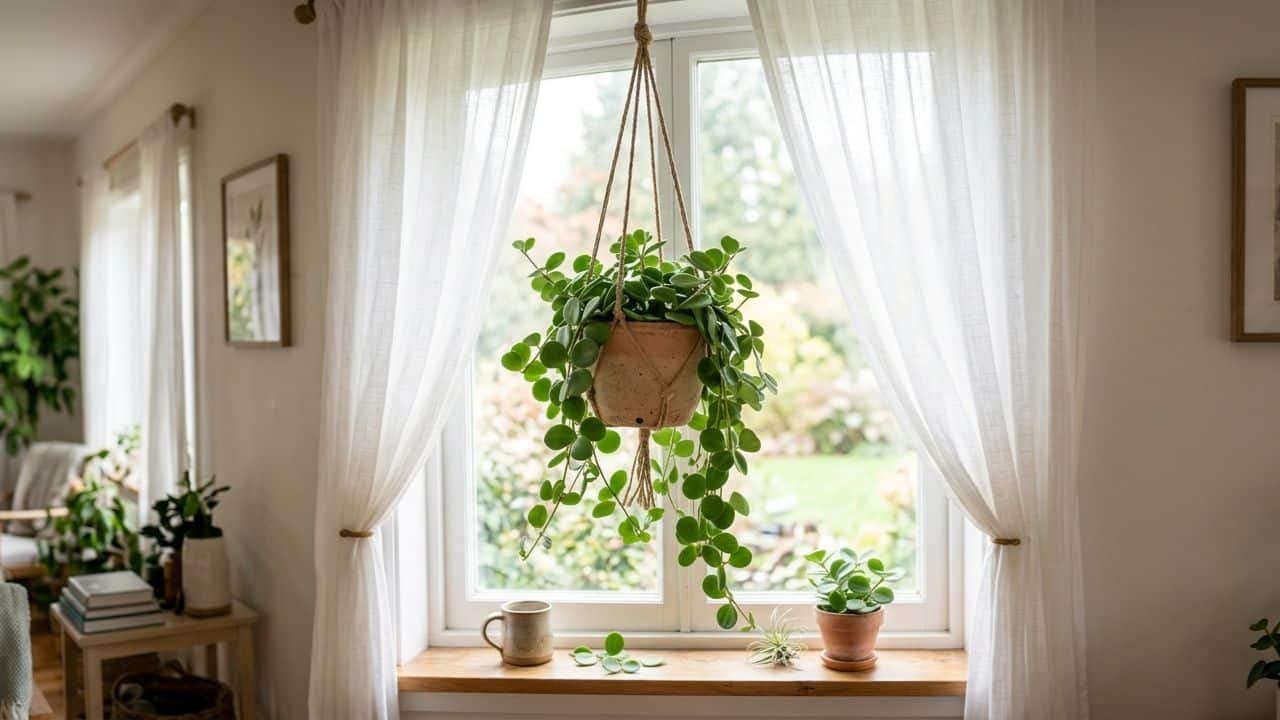
At decoryourroom.com, we are constantly on the hunt for beautiful indoor plants that fit seamlessly into a modern lifestyle. We love the lush look of trailing vines, but so many of them are highly toxic to pets and children. Enter the Peperomia Hope. This stunning, semi-succulent trailing plant features perfectly round, coin-like leaves on delicate pinkish stems. Not only is it incredibly aesthetic, but it is also 100% safe for cats, dogs, and curious toddlers. Whether you are styling a bright home office or a peaceful nursery, this guide will teach you exactly how to care for your Peperomia Hope so it grows long, full, and vibrant.
Introduction: What is a Peperomia Hope?
The Peperomia Hope (botanical name: Peperomia deppeana × quadrifolia) is actually a hybrid. It was specially cultivated by botanists to combine the best traits of two different Peperomia species.
The result is a trailing epiphyte with gorgeous, thick, fleshy leaves. Because the leaves are slightly plump, this plant stores water very much like a succulent. This makes it incredibly forgiving if you occasionally forget to water it.
Unlike fast-growing, wild vines (like the Golden Pothos), the Peperomia Hope has a slower, more deliberate growth rate. This makes it a fantastic, manageable addition to small spaces, bookshelves, and hanging planters. Let’s dive into the exact care requirements for this absolute beauty.
Lighting Requirements: Finding the Sweet Spot
Getting the light right is the single most important factor in Peperomia Hope care. If you master the lighting, the plant will do the rest of the work itself.
Bright, Indirect Sunlight
Like most tropical understory plants, the Peperomia Hope thrives in bright, indirect light. Place it near an east-facing or west-facing window where it can receive plenty of gentle morning or late afternoon sun.
The Danger of Direct Sun
Never put this plant in direct, harsh midday sunlight. The thick, delicate leaves will scorch, turn pale yellow, and develop crispy brown burn marks. If you only have a south-facing window, use a sheer white curtain to filter the intense UV rays.
Surviving Low Light
While it can tolerate medium or lower light conditions, a lack of sunlight will cause the plant to become “leggy.” This means the stems will stretch out, and the space between the beautiful round leaves will become very wide and sparse. For a bushy, full plant, bright light is essential.

Watering Your Peperomia Hope: Less is More
Because this plant has semi-succulent leaves, it is much easier to kill it with kindness (overwatering) than by neglect.
The “Soak and Dry” Approach
You should treat the watering schedule of a Peperomia Hope very similarly to how often you water succulents. Wait until the top two to three inches of the soil are completely dry before watering. When you do water, soak the soil thoroughly until water runs out the bottom of the pot.
Reading the Leaves
Your plant will literally tell you when it is thirsty. When a Peperomia Hope is fully hydrated, the round leaves are thick, stiff, and firm. When the plant needs water, the leaves will become slightly soft, pliable, and thinner to the touch. This is the safest time to water.

The Perfect Soil Mix for Healthy Roots
Because Peperomia are epiphytic (meaning they often grow on trees or rocks in the wild rather than deep in the earth), their roots are very fine, shallow, and require massive amounts of oxygen.
Ditching Standard Potting Soil
If you plant a Peperomia Hope in heavy, dense, generic indoor potting soil, the fine roots will suffocate and rot within weeks. The soil will hold onto too much water.
Creating the Chunky Mix
You need to create a fast-draining, highly aerated soil mix. Combine one part high-quality indoor potting soil, one part coarse perlite, and one part fine orchid bark. This chunky texture allows water to rush through the pot quickly while giving the roots plenty of air to breathe, preventing fatal root rot.

Temperature and Humidity Needs
Creating a comfortable environment for your Peperomia Hope is quite simple, as they generally enjoy the exact same conditions that humans do.
Ideal Room Temperatures
Keep your plant in a room that stays between 65°F and 80°F (18°C to 27°C). They are very sensitive to cold drafts. Keep them away from drafty winter windows, blasting air conditioning vents, and exterior doors.
Humidity Preferences
While they appreciate a slight bump in humidity (around 40% to 50%), their thick leaves allow them to tolerate average dry household air perfectly fine. You do not need to buy a humidifier specifically for this plant, but grouping it with other plants is a great way to naturally boost local humidity.
How to Propagate Peperomia Hope
One of the most fun aspects of owning this plant is how incredibly easy it is to multiply. You can turn one plant into ten for free!
Stem Cuttings in Water
The easiest method is water propagation. Use clean, sterile scissors to snip a stem that has at least three or four leaves on it. Remove the bottom leaf to expose the “node” (the small bump where the leaf met the stem). Place the stem in a small glass vessel of water, ensuring no leaves are submerged. Place it in bright, indirect light. Within three to four weeks, you will see delicate white roots growing!
Potting Up the Cuttings
Once the water roots are about two inches long, you can gently plant the cutting into your chunky soil mix. Keep the soil slightly more moist than usual for the first week to help the water roots transition to dirt.

Common Problems and Easy Fixes
Even the easiest plants can occasionally run into trouble. Here is how to diagnose and fix the most common issues.
Yellowing, Mushy Leaves
If the leaves at the base of the plant are turning bright yellow and falling off with a mushy texture, you are overwatering. Stop watering immediately, check the drainage hole, and let the soil dry out completely.
Dull, Fading Colors
If the vibrant green leaves are looking washed out, pale, or bleached, the plant is getting too much direct sunlight. Move it a few feet back from the window.
Pest Prevention
Peperomia Hope is generally pest-resistant, but occasionally, you might spot tiny white cotton-like webs hidden where the leaves meet the stem. These are mealybugs. Wipe them away with a cotton swab dipped in rubbing alcohol and treat the plant with organic neem oil.

Expert Plant Styling & Safety Advice
As an interior styling expert at decoryourroom.com, my favorite feature of the Peperomia Hope is its versatility. Because it is completely non-toxic and child-safe, it is my number one recommendation for nursery design. You can place it on a low shelf near a baby’s crib or a toddler’s toy storage unit without any fear. Aesthetically, the plant’s soft, round, coin-like leaves perfectly complement minimal, clean spaces. It looks breathtaking in a minimalist Japandi setup, trailing down from a light oak floating shelf. Always pair it with a porous terracotta or raw ceramic pot to enhance the earthy, biophilic design while ensuring maximum airflow to the roots.
Conclusion
The Peperomia Hope is the ultimate low-stress, high-reward indoor plant. By providing it with bright, filtered sunlight, a chunky well-draining soil mix, and utilizing the “soak and dry” watering method, you will enjoy a stunning, cascading green beauty for years to come. Whether you are adding a touch of nature to a dark academia home office or looking for a completely pet-safe addition to your family living room, this unique trailing plant is a guaranteed success.
FAQs
Is Peperomia Hope toxic to cats and dogs?
No! The Peperomia Hope is 100% non-toxic and completely safe for cats, dogs, and children. It is one of the best pet-friendly houseplants you can buy.
Why is my Peperomia Hope dropping leaves?
Leaf drop is almost always caused by overwatering. If the soil stays constantly wet, the roots rot, and the plant drops leaves to survive. Always let the soil dry out completely between waterings.
How fast does a Peperomia Hope grow?
Compared to other trailing plants, the Peperomia Hope is a slow to moderate grower. It puts out the most growth during the warm spring and summer months when it receives plenty of bright, indirect sunlight.