
Editor’s Note
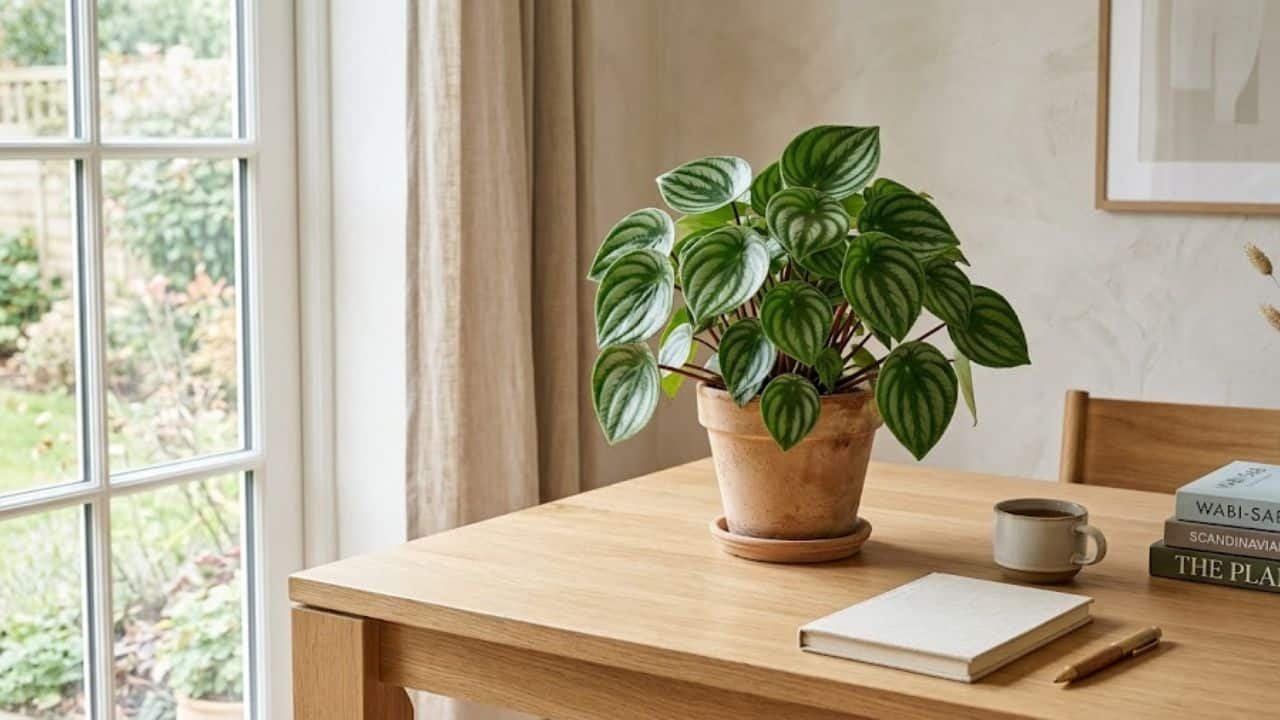
At decoryourroom.com, we are obsessed with plants that pack a massive visual punch without demanding constant attention. Enter the Peperomia family. Whether it is the stunning, striped leaves of the Watermelon Peperomia, the deeply textured foliage of the Peperomia Caperata (Ripple), or the elegant trailing vines of the Peperomia Hope, these plants are interior design superstars. However, because their leaves are slightly thick and fleshy, many indoor gardeners treat them either like standard tropicals or true desert succulents, leading to disastrous results. In this ultimate guide to caring for Peperomia, we are breaking down the exact science to keep these gorgeous “radiator plants” thriving, vibrant, and healthy in your home.
Introduction: The Diverse World of Peperomia Plants
The Peperomia genus contains over 1,000 recorded species, native primarily to Mexico, South America, and the Caribbean. Despite the massive variety in leaf shape, color, and texture, they all share a few crucial botanical traits.
Most Peperomias are epiphytes or lithophytes in the wild. This means they do not grow in deep, rich soil on the forest floor. Instead, they grow attached to tree trunks or tucked into the crevices of rocks. Because of this, their root systems are incredibly small, shallow, and delicate.
Furthermore, their thick leaves are designed to store water for long periods. Understanding these two facts, shallow roots and water-storing leaves is the ultimate key to caring for Peperomia successfully. Let’s explore the step-by-step care requirements.
Lighting Needs: How Much Light Does a Peperomia Need?
Getting the lighting right is critical. Because there are so many varieties, the rule of thumb depends slightly on the color of your plant’s leaves.
Bright, Indirect Sunlight is Ideal
In their natural rainforest habitat, Peperomias grow under the canopy of larger trees. They receive bright, dappled sunlight. To replicate this indoors, place your plant near an east-facing or west-facing window. A sheer curtain can help diffuse the light perfectly.
Variegated vs. Solid Leaves
If your Peperomia has highly variegated leaves (like the Watermelon Peperomia) or bright red hues, it will need slightly more light to maintain its striking colors. If placed in a dark corner, the vibrant patterns will fade to a dull, solid green. On the other hand, darker green varieties can tolerate medium-to-low light, making them perfect for a moody home office desk.
Avoid Direct Sun
Never expose your Peperomia to harsh, direct afternoon sunlight. Their fleshy leaves will scorch easily, turning crispy and developing irreversible brown burn marks.

Watering: The “Soak and Dry” Method
Overwatering is the number one cause of death when caring for Peperomia. Because they store water in their stems and leaves, they are extremely susceptible to root rot.
When to Water
Do not water your plant on a strict schedule. Instead, allow the top 50% to 75% of the soil to dry out completely before watering again. You can test this by pushing your finger deep into the pot or by feeling the leaves. If the leaves feel stiff and firm, the plant is hydrated. If they feel slightly soft and pliable, it is time for a drink.
How to Water
When you do water, soak the soil thoroughly until water drains freely out of the bottom holes. Never let the pot sit in a saucer of stagnant water.

The Best Soil Mix for Peperomia
Because Peperomias have fine, shallow root systems that need to breathe, standard indoor potting soil will suffocate them instantly.
Creating a Chunky Epiphyte Mix
You need a soil mix that drains rapidly and holds plenty of oxygen. If you have already made the perfect potting soil mix for cactus, you can use a similar base. Alternatively, blend:
- 1 Part High-Quality Potting Soil
- 1 Part Perlite (for intense aeration)
- 1 Part Orchid Bark (to mimic tree trunks)
This chunky mix ensures water rushes through the pot, preventing the muddy, wet conditions that lead to sudden root rot.

Temperature and Humidity Preferences
Peperomias are incredibly adaptable to standard household environments, making them famously easy to care for.
Ideal Room Temperatures
They thrive in temperatures ranging between 65°F and 80°F (18°C to 27°C). They are sensitive to cold, so keep them away from drafty windows during the winter months and avoid placing them directly in the path of an air conditioning vent.
Humidity Demands
While tropical plants like the Swiss Cheese Monstera require high humidity to grow large leaves, Peperomias are much more forgiving. Their semi-succulent leaves allow them to tolerate average indoor dry air effortlessly. However, they will appreciate a slight boost in humidity (around 40% to 50%) during the dry winter months.
How to Propagate Peperomia from Leaf Cuttings
One of the most magical things about caring for Peperomia is how easily they multiply. You do not even need a stem node to propagate them; a single leaf is enough!
The Soil Propagation Method
- Take a clean pair of scissors and snip off a healthy leaf with about one inch of its stem attached.
- Dip the cut end of the stem into rooting hormone (optional, but helpful).
- Plant the stem into a small pot filled with moist perlite or a very light seed-starting mix.
- Place a clear plastic bag over the pot to trap humidity and keep it in bright, indirect light.
- Within 4 to 6 weeks, you will see tiny baby Peperomia leaves pushing up through the soil!

Common Problems: Why Are My Peperomia Leaves Falling Off?
Even the easiest plants communicate when they are unhappy. If your Peperomia is dropping leaves, here is how to diagnose it:
Mushy, Yellowing Leaves: If the leaves turning yellow are soft and mushy at the base of the plant, you are definitely overwatering. The roots have likely started to rot. Stop watering, remove the damaged leaves, and repot in fresh, dry chunky soil.

Crispy, Curling Leaves: If the leaves are curling inward and feeling thin or crispy, the plant is severely dehydrated. Soak the soil thoroughly.
Fading Colors: If a brilliantly colored variety is looking washed out, it needs to be moved closer to a light source.
Is Peperomia Toxic to Cats and Dogs?
If you are planning to incorporate biophilic design into a small bedroom Guide or a nursery, plant safety is a massive priority.
Here is the best news: The entire Peperomia family is 100% non-toxic to cats, dogs, and humans. Unlike many popular tropicals, you can confidently place a Peperomia on a low coffee table, a bedside nightstand, or a toddler’s bookshelf without any fear. It is the ultimate pet-friendly houseplant.
Expert Botanical Styling Advice
As an interior plant stylist, I constantly utilize Peperomias because of their compact growth habit. Unlike vining plants that can quickly take over a room, a Ripple Peperomia or Watermelon
Peperomia maintains a neat, mounding shape. This makes them perfect for tight, curated spaces. I love placing them in matte, raw terracotta pots to contrast their glossy, textured leaves. They look absolutely striking when styled on a minimalist oak console table in a Japandi style living room, perfectly balancing the organic warmth of the wood. Remember, the golden rule of caring for Peperomia is benign neglect. Give them incredible drainage, bright filtered light, and then leave them alone until they are completely dry!
Conclusion
Caring for Peperomia is a joy once you understand their unique, semi-succulent nature. By providing a fast-draining chunky soil mix, avoiding the temptation to overwater, and supplying plenty of bright, indirect sunlight, these compact beauties will reward you with lush, vibrant foliage year-round. Whether you are a beginner looking for your first unkillable houseplant or an expert expanding a pet-safe indoor jungle, the Peperomia is an absolute must-have addition to your home.
FAQs
Do Peperomia plants like to be root bound?
Yes! Because they have very small, shallow root systems, Peperomias actually prefer to be slightly root-bound. You only need to repot them every 2 to 3 years, and even then, only go up one pot size. A pot that is too large will hold too much water and cause root rot.
Should I mistreat my Peperomia?
No, misting is generally not recommended for Peperomias. Their thick leaves do not absorb water efficiently this way, and water left sitting on the foliage can lead to fungal infections and leaf rot.
Why is my Watermelon Peperomia splitting its leaves?
Leaf splitting in Peperomias is usually caused by inconsistent watering. If the plant gets incredibly dry and then is suddenly flooded with a massive amount of water, the plant cells swell too quickly and burst, causing physical splits in the leaves.