
Editor’s Note
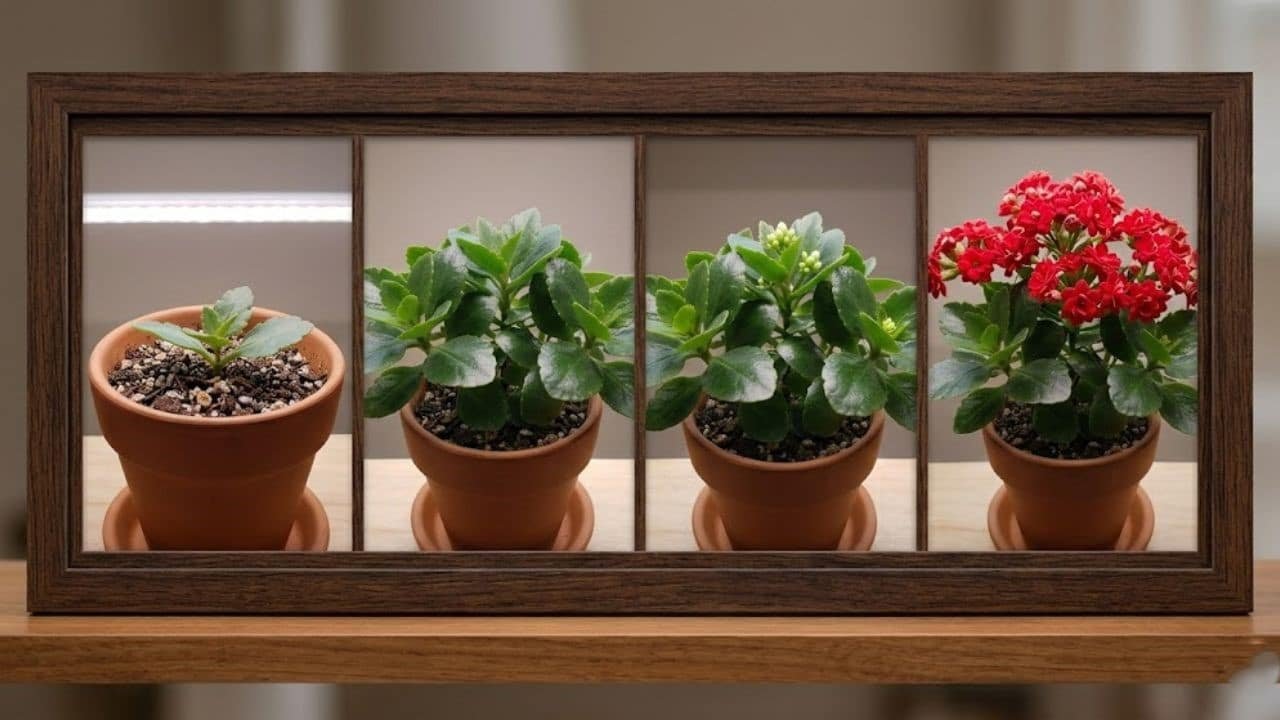
At decoryourroom.com, we believe that every room deserves a pop of natural, vibrant color. While we love the architectural green structures of plants like the Swiss Cheese Monstera, sometimes you just need bright, cheerful flowers. Enter the Kalanchoe (Kalanchoe blossfeldiana). Often gifted in full bloom, this stunning flowering succulent is famous for its clusters of red, pink, yellow, or orange flowers. However, most people treat it like a temporary bouquet, throwing it away once the flowers fade. In this comprehensive Kalanchoe plant care guide, we will teach you the exact botanical secrets to keep this plant alive, thriving, and bursting with new flowers year after year.
Introduction: What is a Kalanchoe Plant?
Native to the arid, sun-drenched environments of Madagascar and tropical Africa, the Kalanchoe is a genus of over 100 species of tropical, succulent plants.
The most common variety sold in garden centers is Kalanchoe blossfeldiana, often called the Florist Kalanchoe or Flaming Katy. Because it is succulent, it has thick, scalloped, fleshy green leaves designed to store water for long periods of drought.
This means that Kalanchoe plant care is surprisingly similar to how to grow Aloe Vera. It thrives on neglect, demands excellent drainage, and hates sitting in wet soil. Let’s dive into the step-by-step care requirements to keep your plant healthy.
Lighting Requirements: How Much Light Does Kalanchoe Need?
Light is the most critical factor in Kalanchoe plant care. Without the proper amount of sunlight, your plant will become weak, spindly, and refuse to produce buds.
Bright, Indirect Sunlight is Essential
To keep the foliage compact and the flowers vibrant, your Kalanchoe needs bright, natural light. A south-facing or east-facing window is usually the best spot in your home. The morning sun is gentle and perfect for this succulent.

Can Kalanchoe Handle Direct Sun?
Yes, but with caution. While they love bright light, placing a greenhouse-raised Kalanchoe directly into scorching, unfiltered afternoon sunlight can sunburn the leaves. The edges of the thick green leaves will turn red or brown as a stress response. If you notice this, move the plant a few feet away from the windowpane.
Low Light Consequences
If you place your Kalanchoe in a dark room or a windowless bathroom, the stems will stretch out (etiolation) as they aggressively reach for light. The beautiful, dense shape will be ruined, and the plant will eventually drop its lower leaves.
Watering Kalanchoe: The Golden Rule of Succulents
The fastest way to kill a Kalanchoe is by overwatering. Because its thick leaves are basically water reservoirs, treating it like a thirsty tropical fern will lead to immediate disaster.
The “Soak and Dry” Method
Just like when you are caring for Peperomia, you must let the soil dry out almost completely between waterings. Stick your finger about two inches deep into the soil. If it feels even slightly damp, do not water it. Wait another week.
How to Water Correctly
When the soil is bone dry, water the plant deeply and thoroughly until water flows out of the bottom drainage holes. Let the pot drain completely in the sink before putting it back on its saucer. Never let the pot sit in stagnant water, as this will cause root rot within days.
Winter Watering Adjustments
During the winter months, your Kalanchoe will go into a semi-dormant state. It will require significantly less water. You might only need to water it once every three to four weeks depending on your home’s humidity.

The Best Soil Mix for Kalanchoe Plants
Standard indoor potting soil is far too dense for a Kalanchoe. It holds moisture for too long, suffocating the delicate root system.
Creating a Fast-Draining Cactus Mix
Your Kalanchoe needs a highly aerated, gritty soil mix. You can buy a commercial succulent mix, or easily make the perfect potting soil mix for cactus right at home. Blend:
- 50% High-Quality Indoor Potting Soil
- 25% Coarse Sand or Poultry Grit
- 25% Perlite or Pumice
This combination ensures that water flushes through the pot quickly, mimicking the sandy soils of Madagascar.

How to Get Kalanchoe to Rebloom (The Secret Trick)
This is the most highly searched question regarding Kalanchoe plant care. Once the initial flowers die, people assume the plant is done forever. However, you can force it to bloom again by manipulating its light exposure!
Understanding Photoperiodism
Kalanchoes are “short-day” plants. This means they biologically require long periods of complete, uninterrupted darkness to trigger the production of flower buds. In nature, this happens automatically as winter approaches and days get shorter.

The 14-Hour Darkness Treatment
To force your Kalanchoe to bloom indoors, you must simulate winter.
Starting in early October, place your plant in complete, pitch-black darkness for 14 straight hours every single night (e.g., from 6:00 PM to 8:00 AM). You can place it in a dark closet or cover it with a thick cardboard box.
During the day, bring it back out into bright, indirect sunlight for 10 hours.
Do not water it heavily during this time; keep it on the drier side.
Repeat this daily process for 6 to 8 weeks.
Once you see tiny flower buds forming at the tips of the stems, you can stop the dark treatment and return the plant to its normal sunny windowsill. It will burst into a massive floral display just in time for the holidays!
Pruning and Deadheading Your Kalanchoe
To maintain a beautifully aesthetic, bushy plant for your home decor, regular grooming is required.
Deadheading Faded Flowers
As soon as a cluster of flowers begins to shrivel and turn brown, snip the flower stem off right above the nearest set of healthy leaves. This process, called deadheading, prevents the plant from wasting energy on dead flowers and redirects it toward new growth.
Pruning Leggy Stems
After the plant finishes blooming completely, do not be afraid to prune it back aggressively. Use sterile pruning shears to cut back tall, leggy stems. This will encourage the plant to branch out, creating a fuller, more compact structure.
How to Propagate Kalanchoe from Stem Cuttings
Kalanchoes are incredibly easy to multiply. You can create an entire indoor garden from just one mother plant!

Step-by-Step Propagation
Using clean scissors, cut a 3-to-4 inch stem from a healthy part of the plant. Make sure the stem has at least a few leaves.
Remove the bottom set of leaves to expose the bare stem.
Place the cutting on a dry paper towel for 2 to 3 days. This allows the cut end to “callus” or dry over, which prevents rotting.
Plant the callused stem into a small pot filled with slightly moist perlite and sand mix.
Place it in bright, indirect light. Roots will develop in about 2 to 3 weeks!
Common Problems: Why Are My Kalanchoe Leaves Turning Yellow?
Kalanchoes are tough, but they will give you visual signals if something is wrong in their environment.
Yellow, Mushy Leaves: This is the universal sign of overwatering and root rot. Stop watering immediately, remove the mushy leaves, and consider repotting the plant into dry, gritty soil.
Crispy, Brown Leaf Edges: If the leaves feel dry and look burned, the plant is getting blasted by too much direct, harsh afternoon sunlight.
Drooping, Wrinkled Leaves: If the leaves are soft, thin, and pointing downward, the plant is severely dehydrated and needs a deep, thorough watering.
Is Kalanchoe Toxic to Cats and Dogs?
If you are planning to incorporate biophilic design into a small bedroom and you have pets, safety is a priority.
Unfortunately, Kalanchoe plants are highly toxic to cats, dogs, and birds. They contain naturally occurring toxins called bufadienolides, which affect the heart. If a pet chews on the leaves or flowers, it can cause severe vomiting, diarrhea, and in extreme cases, abnormal heart rhythms. Always keep Kalanchoe plants strictly out of reach of pets, preferably on high floating shelves or hanging planters.

Professional Plant Stylist Advice
As an experienced horticulturist, my biggest piece of advice for Kalanchoe plant care is to treat it first and foremost as a succulent, not as a floral arrangement. People get so distracted by the colorful blooms that they drown the roots in water. To get the best results, pot your Kalanchoe in an unglazed terracotta pot. Terracotta is porous and allows the soil to breathe, acting as an automatic defense mechanism against overwatering. Furthermore, never use a heavy, nitrogen-rich fertilizer. A light, phosphorus-rich bloom-booster applied once a month during the spring and summer is all this desert native needs to thrive.
Conclusion
Mastering Kalanchoe plant care is a highly rewarding journey. By respecting its succulent nature providing fast-draining soil, deep but infrequent watering, and plenty of bright sunlight you ensure a healthy, robust plant. And by unlocking the magic of the 14-hour darkness treatment, you can completely control its blooming cycle, filling your home with brilliant, vibrant colors even in the dead of winter. Don’t throw away your Kalanchoes after they bloom; with a little patience, they will be your favorite long-term houseplant!
FAQs
How long do Kalanchoe flowers last?
Under ideal conditions with bright, indirect light and proper watering, Kalanchoe blooms are incredibly long-lasting. A single blooming cycle can last anywhere from 6 to 8 weeks.
Can I put my Kalanchoe outside in the summer?
Yes! Kalanchoes love spending the summer outdoors on a covered patio or porch. Just make sure they are protected from heavy rainstorms (to avoid root rot) and intense midday sun (to avoid leaf scorch). Bring them back indoors before the temperature drops below 50°F (10°C).
Why is my Kalanchoe growing tall and stringy?
This is called etiolation, and it happens when the plant is not getting enough light. The stems stretch out to reach for a light source. Move your plant to a brighter, sunnier window and prune back the leggy growth to encourage a bushier shape.